What is samsungrapiddiskfltr.sys?
samsungrapiddiskfltr.sys is part of Samsung RAPID Mode and developed by Samsung Electronics Co., Ltd. according to the samsungrapiddiskfltr.sys version information.
samsungrapiddiskfltr.sys's description is "Samsung RAPID Mode Disk Filter Driver"
samsungrapiddiskfltr.sys is digitally signed by Samsung Electronics Co., Ltd..
samsungrapiddiskfltr.sys is usually located in the 'C:\Windows\system32\drivers\' folder.
None of the anti-virus scanners at VirusTotal reports anything malicious about samsungrapiddiskfltr.sys.
If you have additional information about the file, please share it with the FreeFixer users by posting a comment at the bottom of this page.
Vendor and version information [?]
The following is the available information on samsungrapiddiskfltr.sys:
| Property | Value |
|---|---|
| Product name | Samsung RAPID Mode |
| Company name | Samsung Electronics Co., Ltd. |
| File description | Samsung RAPID Mode Disk Filter Driver |
| Internal name | SamsungRapidDiskFltr.sys |
| Original filename | SamsungRapidDiskFltr.sys |
| Legal copyright | © Samsung Electronics Co., Ltd.. All rights reserved. |
| Product version | Samsung RAPID Mode 1.0.1.42 |
| File version | 1.0.1.42 built by: WinDDK |
Here's a screenshot of the file properties when displayed by Windows Explorer:
| Product name | Samsung RAPID Mode |
| Company name | Samsung Electronics Co., Ltd. |
| File description | Samsung RAPID Mode Disk Filter Driver |
| Internal name | SamsungRapidDiskFltr.sys |
| Original filename | SamsungRapidDiskFltr.sys |
| Legal copyright | © Samsung Electronics Co., Ltd.. Al.. |
| Product version | Samsung RAPID Mode 1.0.1.42 |
| File version | 1.0.1.42 built by: WinDDK |
Digital signatures [?]
samsungrapiddiskfltr.sys has a valid digital signature.
| Property | Value |
|---|---|
| Signer name | Samsung Electronics Co., Ltd. |
| Certificate issuer name | VeriSign Class 3 Code Signing 2010 CA |
| Certificate serial number | 6c752e68ee3f3fe6a026eb914e3c4752 |
VirusTotal report
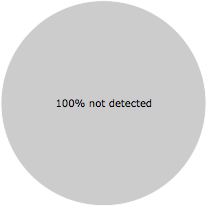
None of the 49 anti-virus programs at VirusTotal detected the samsungrapiddiskfltr.sys file.
Hashes [?]
| Property | Value |
|---|---|
| MD5 | b766a075a5f5882ead20abd032093877 |
| SHA256 | 4c243d49e946877cbfa81512dea7475a25adfa449f604f06c3889df216de216c |
What will you do with the file?
To help other users, please let us know what you will do with the file:
What did other users do?
The poll result listed below shows what users chose to do with the file. 25% have voted for removal. Based on votes from 4 users.
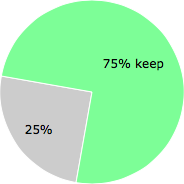
NOTE: Please do not use this poll as the only source of input to determine what you will do with the file. Only 4 users has voted so far so it does not offer a high degree of confidence.
Malware or legitimate?
If you feel that you need more information to determine if your should keep this file or remove it, please read this guide.
And now some shameless self promotion ;)
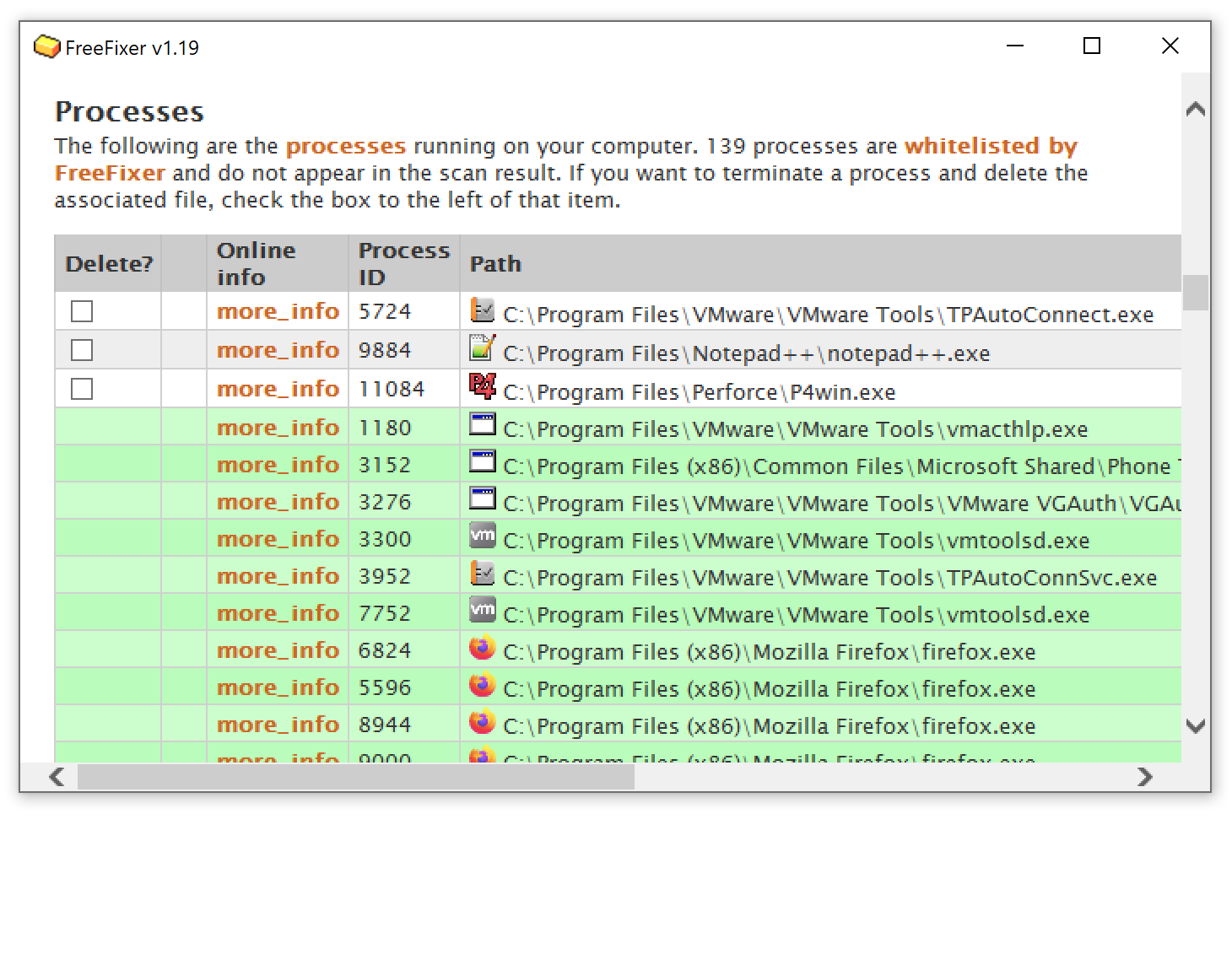 Hi, my name is Roger Karlsson. I've been running this website since 2006. I want to let you know about the FreeFixer program. FreeFixer is a freeware tool that analyzes your system and let you manually identify unwanted programs. Once you've identified some malware files, FreeFixer is pretty good at removing them. You can download FreeFixer here. It runs on Windows 2000/XP/2003/2008/2016/2019/Vista/7/8/8.1/10. Supports both 32- and 64-bit Windows.
If you have questions, feedback on FreeFixer or the freefixer.com website, need help analyzing FreeFixer's scan result or just want to say hello, please contact me. You can find my email address at the contact page.
Comments
Please share with the other users what you think about this file. What does this file do? Is it legitimate or something that your computer is better without? Do you know how it was installed on your system? Did you install it yourself or did it come bundled with some other software? Is it running smoothly or do you get some error message? Any information that will help to document this file is welcome. Thank you for your contributions.
I'm reading all new comments so don't hesitate to post a question about the file. If I don't have the answer perhaps another user can help you.
I replaced a 256G Samsung SSD with a Crucial 1Tb SSD.
My Win7 Ult x64 system has kept the above driver and assigned it to both the new SSD and a standard 2Tb hard drive.
When I tried removing the file from the drivers folder the system failed to boot. Had to replace before I could boot again. Any idea how to remove it, or should it remain?
# 1 Nov 2015, 18:07
Stew writes